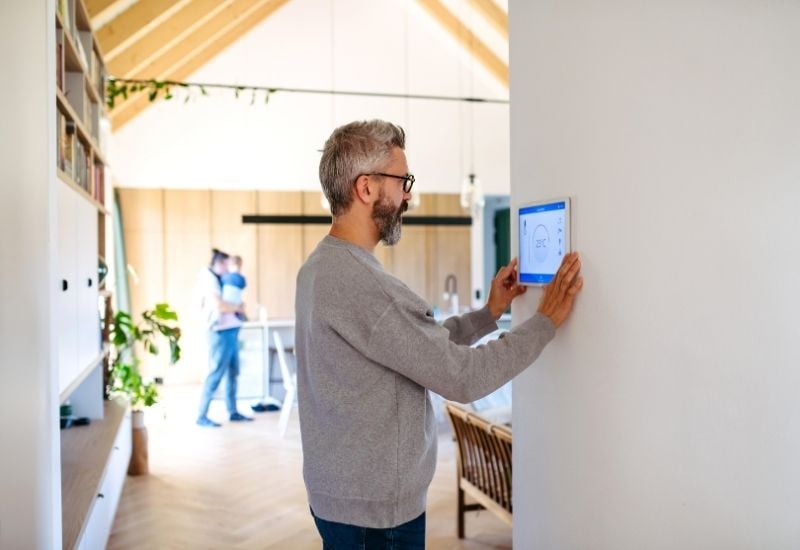
Smart home technology is no longer just a luxury add on. For many homeowners, it has become a practical way to make daily life easier, reduce energy waste, and improve home security. But if you are thinking about adding smart devices to your home, one question matters most:
Are smart home upgrades actually worth the cost?
In many cases, yes, if you focus on the right devices.
The best smart home upgrades are the ones that solve real problems. They help you control your home more easily, protect your property, and improve efficiency without making your setup complicated or expensive. If you are also thinking about resale, the right smart features can make your home more appealing to today’s buyers.
Here is what smart home technology can really do for your home, which upgrades offer the most value, and what to consider before you invest.
Why More Homeowners Are Investing in Smart Home Technology
Homeowners are increasingly prioritizing upgrades that improve comfort, safety, and efficiency. Smart home devices check all three boxes.
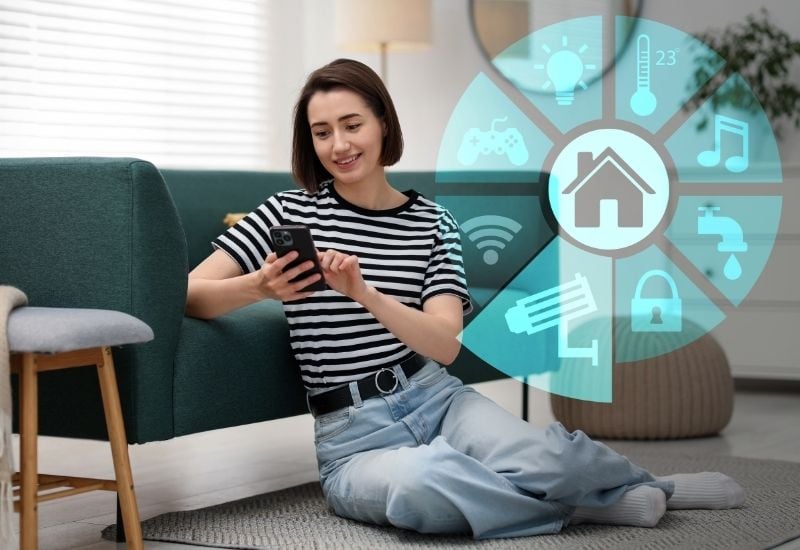
Unlike cosmetic upgrades, smart technology can affect how your home functions every day. It can automate tasks, reduce waste, and help you monitor your property even when you are away.
The strongest benefits typically fall into five categories:
-
Convenience
-
Energy efficiency
-
Home security
-
Peace of mind
-
Resale appeal
The key is choosing practical tools, not flashy gadgets.
1. Smart Home Technology Makes Daily Life Easier
One of the biggest reasons homeowners invest in smart devices is simple: they save time and effort.
Many systems allow you to control key parts of your home from your phone or with voice commands. That includes:
-
Adjusting the thermostat
-
Locking or unlocking doors
-
Turning lights on and off
-
Checking security cameras
-
Creating automatic schedules for routines
That kind of centralized control can make a home feel more efficient and less stressful.
For example, instead of wondering whether you left the lights on or forgot to lock the front door, you can check and fix it remotely in seconds.
This is especially helpful for:
-
Busy households
-
Frequent travelers
-
Parents managing multiple schedules
-
Owners of second homes or rental properties
Bottom line: Smart devices work best when they remove friction from everyday life.
2. Smart Devices Can Help Lower Utility Bills
One of the most practical reasons to invest in smart home technology is energy savings.
Some of the most useful devices for efficiency include:
-
Smart thermostats
-
Smart lighting
-
Energy monitoring systems
-
Leak detection devices
Smart thermostats are one of the strongest value plays
According to ENERGY STAR, heating and cooling account for almost half of the average household’s annual energy bill, or more than $900 per year. ENERGY STAR also states that certified smart thermostats are independently verified to save energy based on real world performance data. In many homes, they can save around 8% on heating and cooling bills, or about $50 per year, with some homes saving more depending on climate and usage habits.
That matters because HVAC is one of the biggest operating costs in a home.
Smart leak detection can also prevent expensive waste
Water damage is one of the most frustrating and expensive home issues because small leaks often go unnoticed until they become major repairs. The U.S. Environmental Protection Agency notes that leak detection and flow monitoring devices can help identify abnormal water use, reduce water waste, and limit damage from hidden leaks.
That means some smart upgrades do more than lower monthly bills. They can also help you avoid major repair costs.
Bottom line: The best smart devices do not just feel modern. They help your home run more efficiently.
3. Smart Security Features Can Add Real Peace of Mind
Security is another major reason homeowners invest in smart technology.
Today’s most useful smart security features include:
-
Video doorbells
-
Smart locks
-
Outdoor security cameras
-
Motion sensors
-
App based alarm systems
These tools give homeowners something traditional systems often do not: real time visibility and control.
You can:
-
See who is at your door
-
Get alerts when motion is detected
-
Monitor package deliveries
-
Lock or unlock doors remotely
-
Check your home while traveling
That kind of access is valuable whether you are at work, on vacation, or simply upstairs in another room.
For many buyers, smart security also makes a home feel more move in ready. It signals that the home has already been updated for modern living.
Bottom line: Security upgrades tend to feel useful immediately, which makes them one of the easiest smart home investments to appreciate.
4. The Right Smart Upgrades Can Make Your Home More Attractive to Buyers
A smart home system alone will not transform a poorly priced or poorly maintained listing into a hot property. But practical smart upgrades can absolutely strengthen buyer appeal.
Buyers are often drawn to homes that feel:
-
Efficient
-
Secure
-
Updated
-
Easy to maintain
That is why devices like smart thermostats, smart locks, lighting controls, and leak sensors often stand out more than niche or overly customized tech.
What adds value and what does not
Not every smart upgrade has the same impact.
Generally, buyers respond best to features that are:
-
Easy to use
-
Easy to transfer to a new owner
-
Clearly useful
-
Compatible with common platforms
That means these upgrades often have broader appeal:
-
Smart thermostat
-
Smart lighting
-
Video doorbell
-
Smart lock
-
Security cameras
-
Water leak sensors
These tend to have less resale impact:
-
Overly complex whole home automation systems
-
Highly brand specific setups
-
Expensive gadgets with steep learning curves
-
Tech that requires multiple subscriptions to function well
Best real estate rule: If a feature makes the home easier to live in, it is more likely to help with resale.
You can also mention practical smart upgrades in your listing description to highlight lifestyle benefits for buyers.
For example:
-
“Energy efficient smart thermostat”
-
“App controlled security system”
-
“Smart lock and video doorbell included”
That framing is more compelling than simply saying “smart home.”
5. Smart Home Technology Works Best When It Solves Specific Problems
The biggest mistake homeowners make is buying smart devices because they seem trendy, not because they solve a real need.
A better strategy is to ask:
What problem am I trying to solve?
For example:
-
If your energy bills are high, start with a smart thermostat
-
If you travel often, start with security cameras and smart locks
-
If you worry about water damage, add leak detection
-
If your home feels inefficient, improve lighting and automation
That keeps your investment practical and prevents wasted money.
A good smart home setup should feel simple, not overwhelming.
What to Consider Before You Buy
Before investing in smart home technology, think through a few important factors.
1. Upfront cost
Some devices are affordable. Others require installation, subscriptions, or additional hardware. Make sure the long term value justifies the cost.
2. Compatibility
Not all devices work well together. Before buying, check whether your preferred devices integrate with the same ecosystem, such as Apple Home, Google Home, or Amazon Alexa.
3. Internet dependence
Most smart devices rely on Wi Fi. If your connection is unreliable, performance may suffer.
4. Ease of use
If a system is confusing, you probably will not use it consistently. Simpler usually wins.
5. Privacy and data settings
Connected devices collect and transmit data. Review privacy settings, app permissions, and security features before installing anything.
These details matter because a smart home should reduce friction, not create more of it.
Best Smart Home Upgrades to Start With
If you want the most practical return, start with these:
Top smart home upgrades for most homeowners
-
Smart thermostat
-
Video doorbell
-
Smart lock
-
Smart outdoor lighting
-
Security camera system
-
Leak detection device
These upgrades offer a strong mix of:
-
daily usefulness
-
efficiency
-
security
-
buyer appeal
If you are preparing to sell, these are usually smarter investments than highly personalized or entertainment based tech.
Are Smart Home Upgrades Worth It?
For most homeowners, yes, if you invest strategically.
The smartest upgrades are not necessarily the most expensive. They are the ones that make your home:
-
easier to manage
-
less wasteful
-
more secure
-
more appealing to future buyers
If you are choosing between upgrades, start with the ones that improve function first. Those are the features that tend to deliver the best real world value.
And if you are wondering which improvements will actually matter in your market, that is where local real estate guidance matters most.
Thinking About Upgrading Before You Sell?
If you are preparing your home for the market, Uniquely Real Estate can help you decide which updates are worth doing, and which ones are not.
Some upgrades help your home stand out. Others just cost money.
If you want a smart strategy tailored to your property, buyer pool, and price point, we are here to help.
Connect with Uniquely Real Estate for personalized advice on the upgrades that can improve your home’s comfort, appeal, and marketability.
Sources :