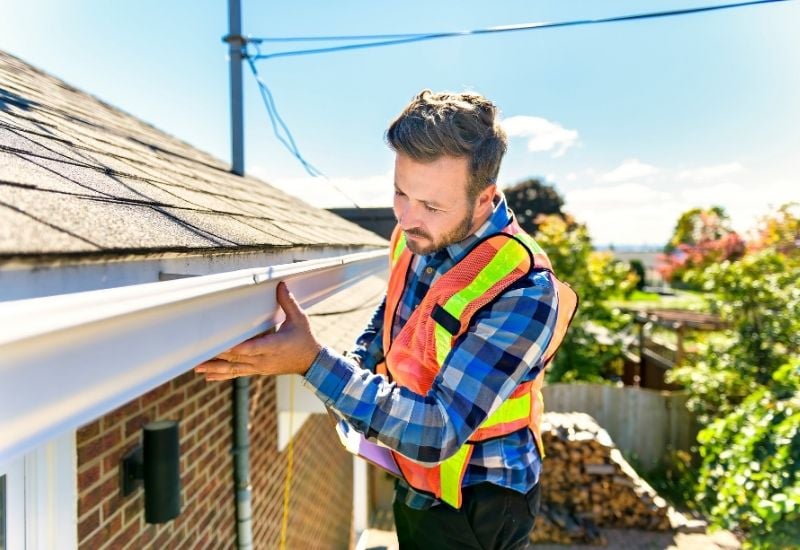
Selling a home involves more than preparing it for showings and marketing it effectively. One of the most critical stages in the transaction process is the home inspection. During this step, a licensed inspector evaluates the property’s structure, systems, and overall condition. If major problems appear in the report, buyers may request costly repairs, renegotiate the price, or cancel the purchase entirely.
According to the National Association of Realtors, home inspections frequently uncover issues that require negotiation between buyers and sellers, and serious safety or structural problems can cause deals to collapse.
For sellers, the best strategy is preparation. Addressing major issues before listing helps prevent surprises during escrow and builds buyer confidence. Below are the most common home inspection deal breakers and the practical steps homeowners can take to resolve them before putting a property on the market.
Foundation and Structural Problems
Structural issues are among the most serious problems that can appear during a home inspection. Buyers often see these defects as expensive and risky because they can affect the safety and stability of the entire property.
Common warning signs include:
• Large cracks in the foundation
• Bowing or leaning basement walls
• Sagging or uneven floors
• Doors and windows that stick or fail to close properly
These issues often result from soil movement, poor drainage, or long term water intrusion. Structural damage can also worsen over time if it is not addressed.
How sellers can fix it
• Hire a licensed structural engineer to evaluate the home
• Repair minor foundation cracks using professional sealing methods
• Improve drainage around the property through proper grading
• Ensure gutters and downspouts move water away from the foundation
Providing documentation from a structural professional can also reassure buyers that the issue has been properly addressed.
Roof Damage or Aging Roof Systems
The roof protects the entire home, which means buyers pay close attention to its condition. A roof that is leaking or nearing the end of its lifespan often raises concerns about future expenses.
Most asphalt shingle roofs last 20 to 30 years, depending on climate and maintenance.
Common roof related inspection issues include:
• Missing or damaged shingles
• Visible roof leaks or water stains
• Poor drainage or clogged gutters
• Aging roof materials nearing replacement
How sellers can fix it
• Replace damaged or missing shingles
• Repair flashing and seal vulnerable areas
• Clean and repair gutters to prevent water buildup
• Consider partial or full roof replacement if the roof is near the end of its life
A well maintained roof signals to buyers that the home has been properly cared for.
Outdated Electrical Systems
Electrical safety is another major concern for buyers and inspectors. Older wiring systems can pose fire risks and often fail to meet modern safety standards.
Two types of wiring that frequently raise concerns include:
• Aluminum wiring
• Knob and tube wiring
Aluminum wiring was used in homes built between the 1960s and 1970s but can loosen over time and increase fire risk. Knob and tube wiring, commonly found in homes built before the 1940s, lacks grounding and may not support modern electrical demands.
According to the Consumer Product Safety Commission, homes with aluminum wiring are more likely to experience electrical fire hazards compared with copper systems.
How sellers can fix it
• Hire a licensed electrician to inspect the system
• Replace outdated wiring with modern copper wiring
• Upgrade the electrical panel if it cannot support current power loads
• Install grounded outlets and modern safety features
Electrical upgrades can significantly improve both safety and market appeal.
Water Damage and Mold Issues
Evidence of water damage is one of the most alarming findings for buyers. Moisture problems can indicate hidden leaks, structural deterioration, or mold growth.
Inspectors often look for:
• Water stains on ceilings or walls
• Mold or mildew growth
• Damp basements or crawl spaces
• Musty odors in living areas
According to the Environmental Protection Agency, mold grows in damp environments and can begin developing within 24 to 48 hours after water exposure.
How sellers can fix it
• Repair leaking pipes, roofs, or windows
• Improve ventilation in bathrooms and basements
• Install dehumidifiers in damp areas
• Hire professional mold remediation services if mold is present
Addressing the root cause of moisture problems is critical before listing the property.
HVAC System Problems
Heating and cooling systems are essential for comfort and efficiency. If an HVAC system appears old or poorly maintained, buyers may worry about costly replacements after closing.
Inspectors typically check:
• Furnace age and performance
• Air conditioning functionality
• Ductwork condition
• Signs of cracked heat exchangers
Most HVAC systems last 15 to 20 years depending on maintenance and usage.
How sellers can fix it
• Schedule a professional HVAC service inspection
• Replace air filters and clean vents
• Repair malfunctioning components
• Replace outdated systems nearing the end of their lifespan
Providing maintenance records can reassure buyers that the system has been properly serviced.
Major Plumbing Issues
Plumbing problems can quickly become expensive repairs and often raise concerns about hidden water damage.
Common plumbing issues found during inspections include:
• Leaking pipes
• Low water pressure
• Corroded plumbing materials
• Outdated piping such as polybutylene
Polybutylene pipes were widely used between the 1970s and 1990s but are prone to failure and are often rejected by insurance companies.
How sellers can fix it
• Repair or replace leaking pipes
• Upgrade outdated piping materials
• Clear clogged sewer or drain lines
• Improve water pressure by servicing the plumbing system
A plumber can evaluate the system and provide documentation confirming repairs.
Proactive Steps Sellers Should Take Before Listing
The best way to avoid inspection surprises is to address potential problems before buyers even schedule a showing. Proactive preparation can protect your sale and create stronger buyer confidence.
Conduct a pre listing inspection
A pre listing inspection allows sellers to identify problems early. This provides time to repair issues or prepare documentation before negotiations begin.
Disclose known issues
Full transparency builds trust and reduces the chance of contracts falling apart later in the transaction.
Keep service records
Buyers appreciate proof of maintenance. Organize records for roof repairs, plumbing upgrades, HVAC servicing, and electrical work.
Price the home according to its condition
If a major repair is not feasible before listing, adjusting the price or offering a repair credit can still attract buyers.
These strategies help reduce negotiation conflicts and create a smoother transaction process.
Why Preparing for the Inspection Protects Your Sale
Home inspections are designed to protect buyers, but they can also benefit sellers who prepare properly. Addressing safety hazards and major system issues before listing reduces uncertainty and positions your home as a well maintained property.
Sellers who take proactive steps often experience:
• Fewer repair negotiations
• Greater buyer confidence
• Faster closing timelines
• Stronger offers
Preparing your home before it hits the market can make the difference between a smooth transaction and a failed deal.