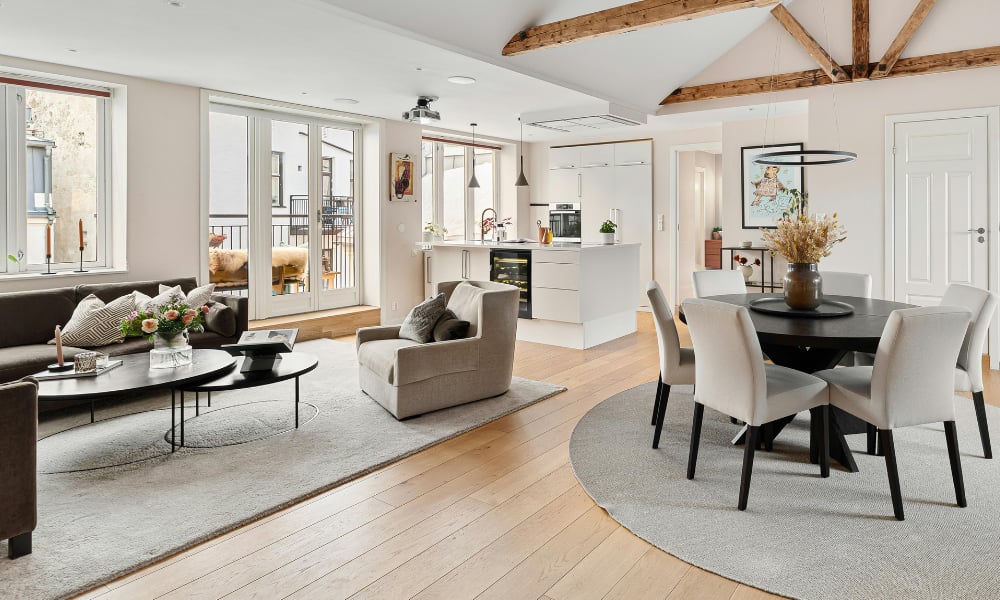
A home doesn't feel expensive because of a price tag. It feels expensive because of a series of small, intentional decisions that most people never think to make. Designers have been fairly consistent about what those decisions are, and none of them require a full renovation.
-
Lighting Does More Work Than People Think
Lighting is one of the fastest ways a room reads cheap or high-end. Harsh overhead lighting reads as clinical rather than warm, and design experts consistently point to layered, low-toned lighting as the fix. Interior designer Juliana has noted that overly bright, flat overhead lighting feels more suited to a dental office than a dinner party, recommending warmer bulbs in the 2700K range instead. Livingetc
Beyond bulb temperature, designers favor layering: overhead lighting paired with lamps and task lighting, rather than one bright source doing all the work. A well-placed pair of lamps on either side of a room does more than most people expect.
-
Texture Adds Depth a Single Finish Can't
One of the most consistent tricks designers use is layering textures within a restrained color palette. Design manager Debbie Leigh explains that thoughtfully layered textiles create a cohesive, luxurious feel, and that soft furnishings are worth investing in because of how much they shape a room's overall impression. Goodhomes Magazine
Mixing natural materials like linen, wool, and wood with polished accents like marble or metal creates contrast and depth without adding visual noise, something flat, single-texture rooms can't replicate no matter the budget behind them.
-
Storage Should Feel Considered, Not Just Functional
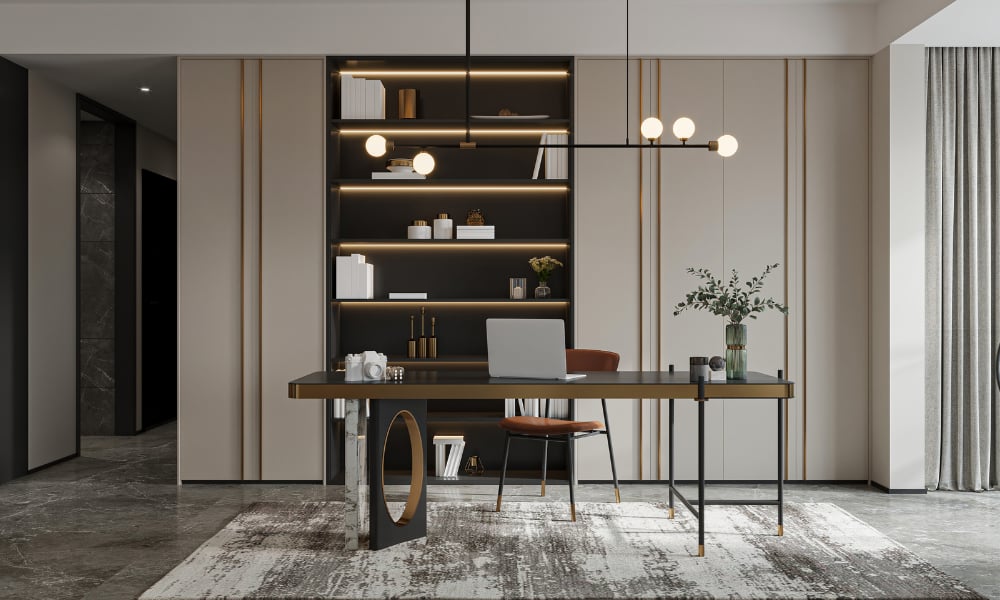
Good storage is quietly doing more than organizing. Design coverage this year has emphasized those built-ins, curtained closets, and thoughtfully designed shelving read as elevated because they let everything else in the room, color, furniture, decor, actually stand out. Storage that feels like an afterthought pulls a room in the opposite direction, no matter how nice the furniture around it is.
-
What You Leave Out Matters as Much as What You Add
Clutter is one of the fastest ways a space reads as cheap, but so is decor that's lingering out of habit rather than intention. Designers point to worn-out throws, misshapen cushions, and decorative pieces that no longer serve a purpose as quiet signals that a room hasn't been edited in a while.
The fix isn't minimalism for its own sake. It's curation: mixing a personal, meaningful piece with something more elevated, and being willing to remove what no longer earns its place.
-
Small Architectural Details Change the Whole Room
Simple adjustments, like hanging curtains close to the ceiling instead of directly above the window frame, are a small change with an outsized effect. Interior designer Kunal has explained that this trick draws the eye upward and makes a room feel taller and more architectural, even in spaces with modest ceiling height.
-
None of these changes require a renovation budget. They require attention, and a willingness to notice the small details that most people walk right past.
If you're thinking about which of these updates would have the biggest impact before you list your home, we're happy to walk through it with you. Give us a call at 424-363-9169.